Nearly everybody has their personal opinion on the subject of Air Conditioner Frozen? How To Fix your Frozen AC Line.
Introduction
Uncovering that your air conditioning pipeline is iced up can be concerning, particularly during warm summer months when you rely upon your a/c unit the most. Comprehending what to do in such a circumstance is vital to stop additional damage to your cooling system and ensure your convenience inside your home.
Recognizing the Causes
A number of elements can add to the cold of an air conditioning pipeline. Recognizing these causes can aid you attend to the problem effectively.
Absence of Airflow
One common cause of a frozen air conditioner pipeline is inadequate air flow. When the air flow over the evaporator coil is limited, it can create the coil to drop below freezing temperature level, leading to ice formation on the pipeline.
Reduced Refrigerant Levels
Not enough cooling agent degrees in your air conditioner system can also result in an icy pipeline. Low refrigerant degrees can cause the stress in the system to drop, bring about the freezing of dampness on the evaporator coil.
Cold Weather Conditions
In chillier climates, freezing temperature levels outside can add to the freezing of air conditioning pipelines. If your AC system is not properly shielded or if there are leaks in the ductwork, cold air can infiltrate the system, creating the pipeline to freeze.
Dirty Air Filters
Dirty or stopped up air filters can restrict air movement in your air conditioning system, bring about various issues, including a frozen pipe. It's important to replace or clean your air filterings system regularly to make sure proper air movement and protect against ice accumulation.
Signs of a Frozen AC Pipe
Acknowledging the indicators of an icy air conditioning pipe is critical for timely activity.
Decreased Airflow
If you see a considerable decline in airflow from your vents, it can suggest an icy pipe.
Ice Buildup on the Pipe
Visible ice build-up on the cooling agent line or the evaporator coil is a clear sign of an icy air conditioner pipeline.
Strange Sounds from the Unit
Unusual noises, such as hissing or bubbling, originating from your a/c system can signal that there's ice present on the pipeline.
Immediate Actions to Take
When faced with a frozen air conditioner pipe, it's necessary to act quickly to avoid more damage to your cooling system.
Turning off the air conditioner
The initial step is to switch off your air conditioning unit to stop the system from running and intensifying the problem.
Checking for Blockages
Examine the location around the indoor unit for any blockages that might be obstructing airflow, such as furnishings or curtains.
Thawing the Pipe
You can make use of gentle approaches like placing towels soaked in cozy water around the icy pipeline to assist thaw it slowly.
Safety nets
Taking safety nets can aid avoid future occurrences of a frozen AC pipeline.
Normal Maintenance Checks
Set up regular maintenance get in touch with a professional HVAC professional to make certain that your a/c system is running efficiently.
Transforming Air Filters
Routinely change or clean your air filters to avoid air movement restrictions and maintain optimal performance.
Protecting Exposed Pipes
If your air conditioning pipelines are subjected to chilly temperatures, consider protecting them to stop freezing throughout winter season.
Looking For Professional Help
If DIY methods stop working to resolve the issue or if you're unclear regarding how to continue, it's finest to seek assistance from a qualified HVAC professional.
When DIY Methods Fail
If your efforts to thaw the pipe or address various other concerns are not successful, it's time to call an expert.
Relevance of Hiring a Professional HVAC Technician
A licensed HVAC specialist has the competence and devices needed to detect and repair concerns with your air conditioner system securely and properly.
Final thought
Handling an icy air conditioning pipeline can be a discouraging experience, however knowing exactly how to react can assist minimize damages and bring back comfort to your home. By understanding the reasons, identifying the indicators, and taking timely activity, you can properly address the concern and prevent future incidents.
G UP? HOW TO FIX IT?
It happens all over America. And the rest of the world probably. It’s the hottest day ever and for some darn reason your AC isn’t cooling the house. You fiddle with the thermostat to try and fix the problem. Nada. All you can do now is go outside and check the AC unit. You make your way there and find your air conditioner unit is frozen! But how?
In this post we’ll cover how you can tell that your air conditioner has frozen (other than the obvious reasons), what could have caused the freeze, and some of the things you can do about your AC freezing up. And if you have a frozen heat pump condenser, read our blog about it to learn what to do! But remember, it is always best to avoid your AC freezing up with an AC tune up. And if you are moving into a home, it's critical to get HVAC inspection so that you are aware of an AC problems before you move in.
Keep reading and you may be able to fix the frozen AC yourself. If you can’t, call an HVAC specialist. If you live in Maryland, call SuperTech HVAC for AC repair. We’ll take care of it.
How Does An Air Conditioning Unit Work?
How you probably imagine an AC works is wrong. Contrary to popular belief, an AC system does not inject cool air into a building. Instead, it removes the heat from inside and transfers it outside. Cool huh? (Pun intended).There are 4 major components among the 3 stations of an air conditioning system: the evaporator coil, the compressor, the condenser, and the refrigerant – a special chemical that links everything together through a closed loop system.
Station 1:
Warm indoor air is sucked into the return vent, through a filter, and blows over the evaporator coil. The heat is absorbed into the cold refrigerant, turning it from liquid to gas. The air, which is now cool, is blown back into the home to areas that your thermostat, i.e. you, has decided.
Station 2:
The refrigerant makes its way outside the house to the compressor, which squeezes the warm refrigerant, raising its gaseous temperature even more.
Station 3:
When the super hot vapor refrigerant reaches the condenser, the last step, the heat is expelled and absorbed into the outdoor air. The refrigerant instantly cools, which changes it from gas back to liquid form. The cold liquid refrigerant is now ready to return to station 1 and repeat the process.
Is Your AC Freezing Up? Here Are The Signs:
As you may have guessed, your air conditioner unit freezing up on a hot day is not normal.
If this happens, there's no need to panic. Often the issue can be solved with a little troubleshooting. If the AC unit is left frozen for too long however, you may find yourself with a bigger problem.
First things first, how do you know your AC is frozen?
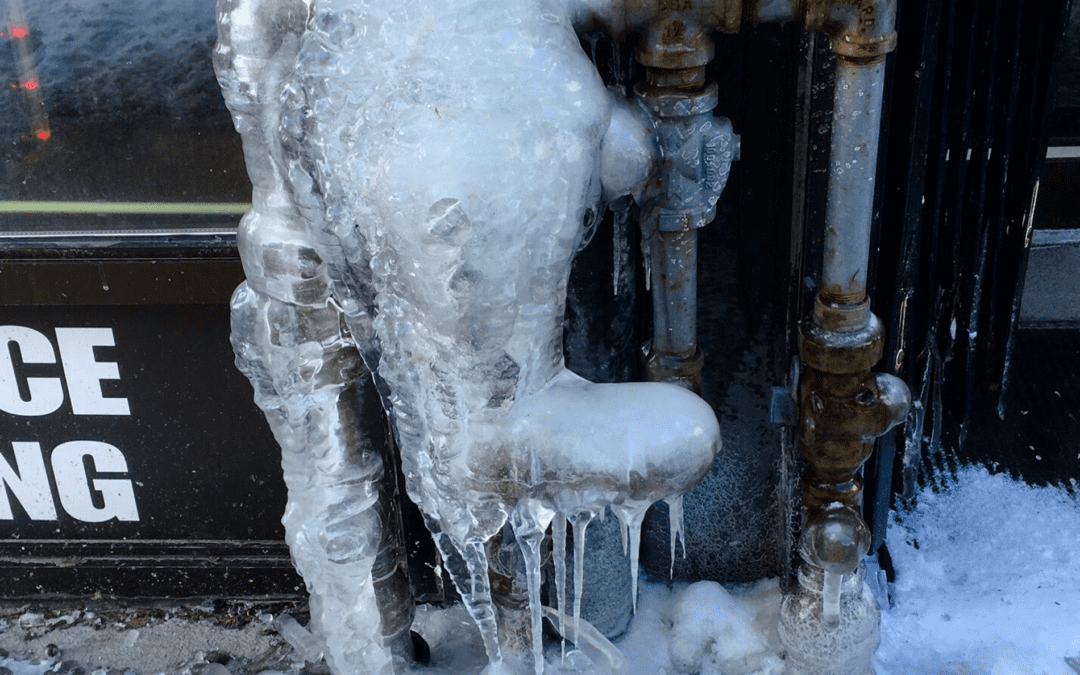
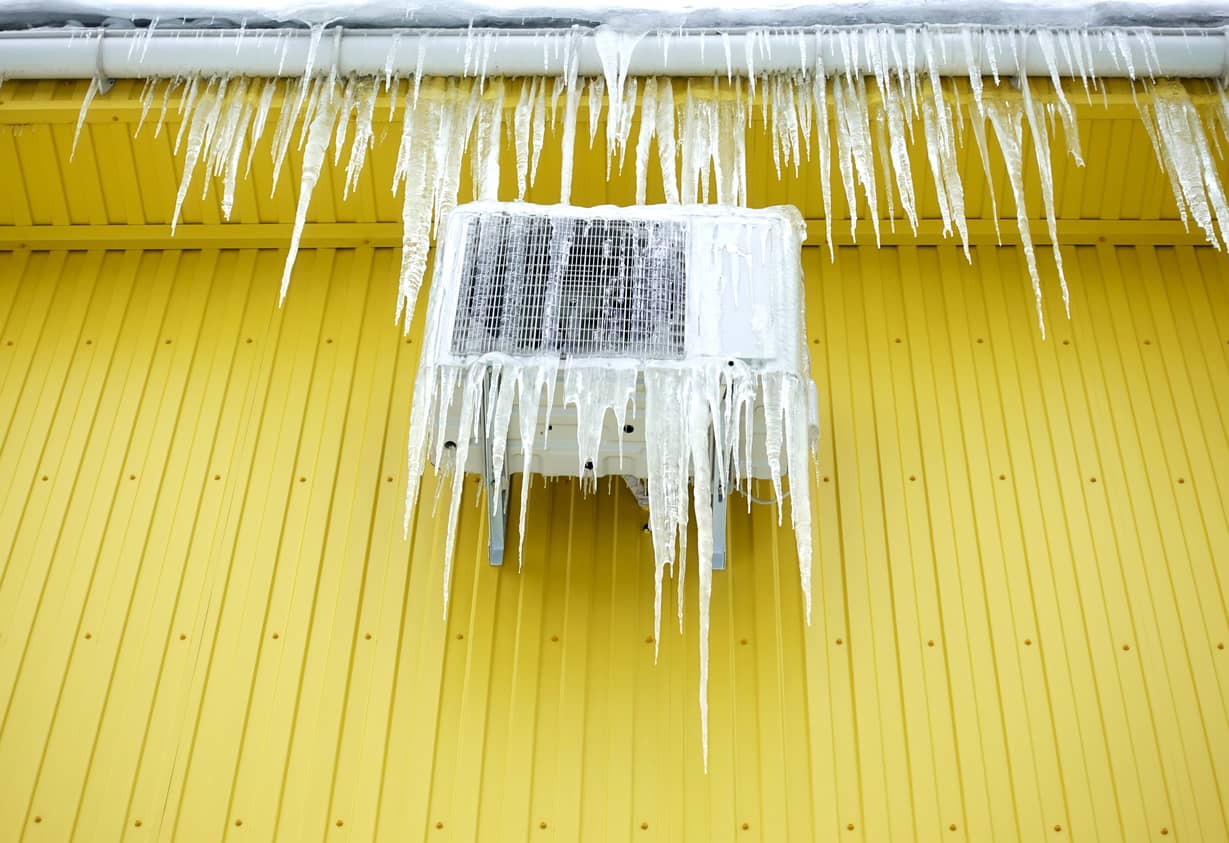
Well, the obvious sign is the ice on your refrigerant line-set pipe. Simply check between your outdoor AC unit and your home's exterior wall to see whether your AC line frozen.
You might also have a frozen evaporator coil. This one's not as easy to check. You'll need to open a panel on the indoor unit to inspect. Don't do this unless you're handy. If you aren't, call an HVAC pro like SuperTech HVAC or you may damage something in the process.
Do you enjoy reading about Have a Frozen AC Line? Here’s How to Fix It? Try leaving a short review further down. We would be delighted to listen to your insights about this article. Hoping to see you back again before long. Sharing is caring. Helping people is fun. Thanks for your time. Kindly come by our blog back soon.
Contact Us Now